Lab-Grown Mini Brains Shed Light on Schizophrenia and Bipolar Disorder
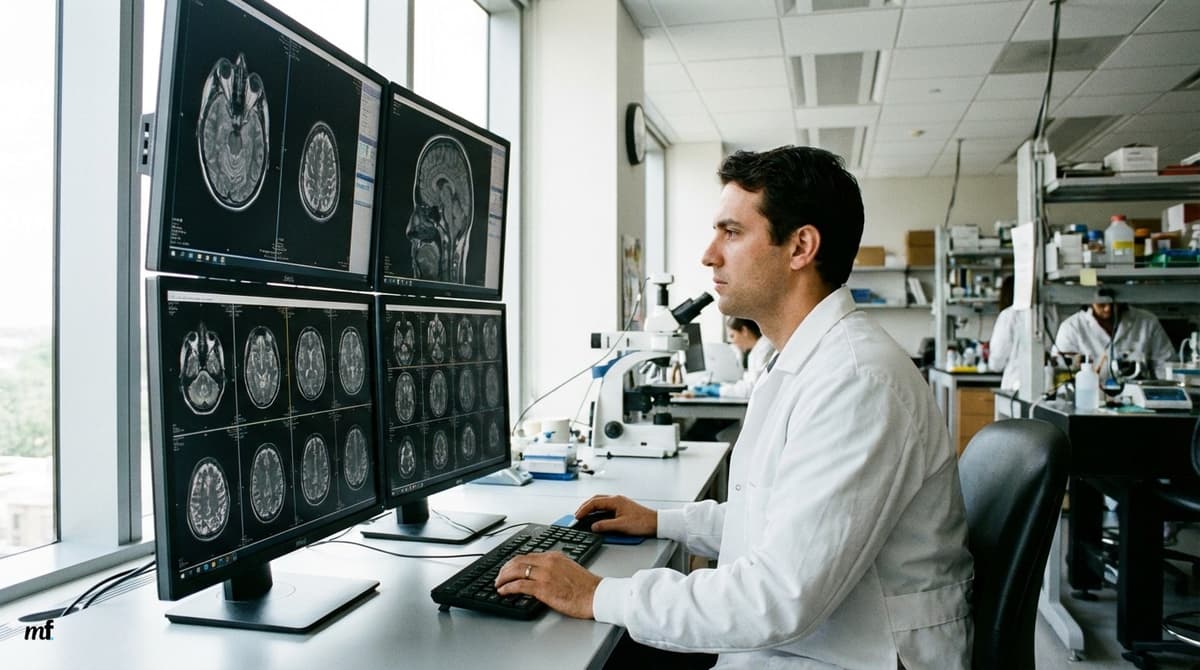
Innovative Research Using Mini Brains
Recent advances in brain science have enabled researchers to grow miniature, lab-based models that mimic human brains, providing groundbreaking insights into complex conditions such as schizophrenia and bipolar disorder. According to a study published by the team, these 'mini brains' reveal distinctive electrical firing patterns associated with these mental health disorders, highlighting potential pathways for more accurate diagnosis and treatment.
Distinct Patterns Unearthed
The research findings indicate that schizophrenia and bipolar disorder disrupt neural activity in unique ways. The mini brains demonstrated specific electrical activity that could accurately identify patients with these disorders. This marks a significant leap from current diagnostic methods, which often rely on self-reported symptoms and behaviourally based assessments. The use of lab-grown brains could potentially circumvent the trial-and-error approach currently employed in medication prescription, optimising patient outcomes.
Implications for Diagnosis and Treatment
The study suggests that in the future, doctors might be able to diagnose these conditions more precisely by observing the neural firing patterns in these mini brains. This has the potential to lead to personalised drug testing, allowing doctors to determine which medications are likely to be most effective for a specific patient even before starting the treatment. Such an approach could reduce the time it takes to find the right medication, minimise side effects, and improve the overall quality of life for patients.
Broader Outlook
While the study's implications are promising, the research is still at an early stage. Further investigations are necessary to confirm these findings and understand the full potential of mini brains in psychiatric treatment. The use of mini brains could also extend to other neurological disorders, potentially revolutionising the broader field of neuroscience. The potential to observe real-time brain activity in a controlled, lab-based setting provides a unique opportunity to explore and understand the fundamental mechanisms of various mental health conditions.
Conclusion
As this promising research progresses, it paves the way for a new era in the diagnostics and treatment of schizophrenia and bipolar disorder. By identifying distinct neural patterns in mini brains, scientists have opened up new pathways for understanding and managing these challenging mental health conditions. This could lead to more precise, personalised treatment options and ultimately better outcomes for patients worldwide.
Comments
Be the first to comment!