 Skin & Laser Treatments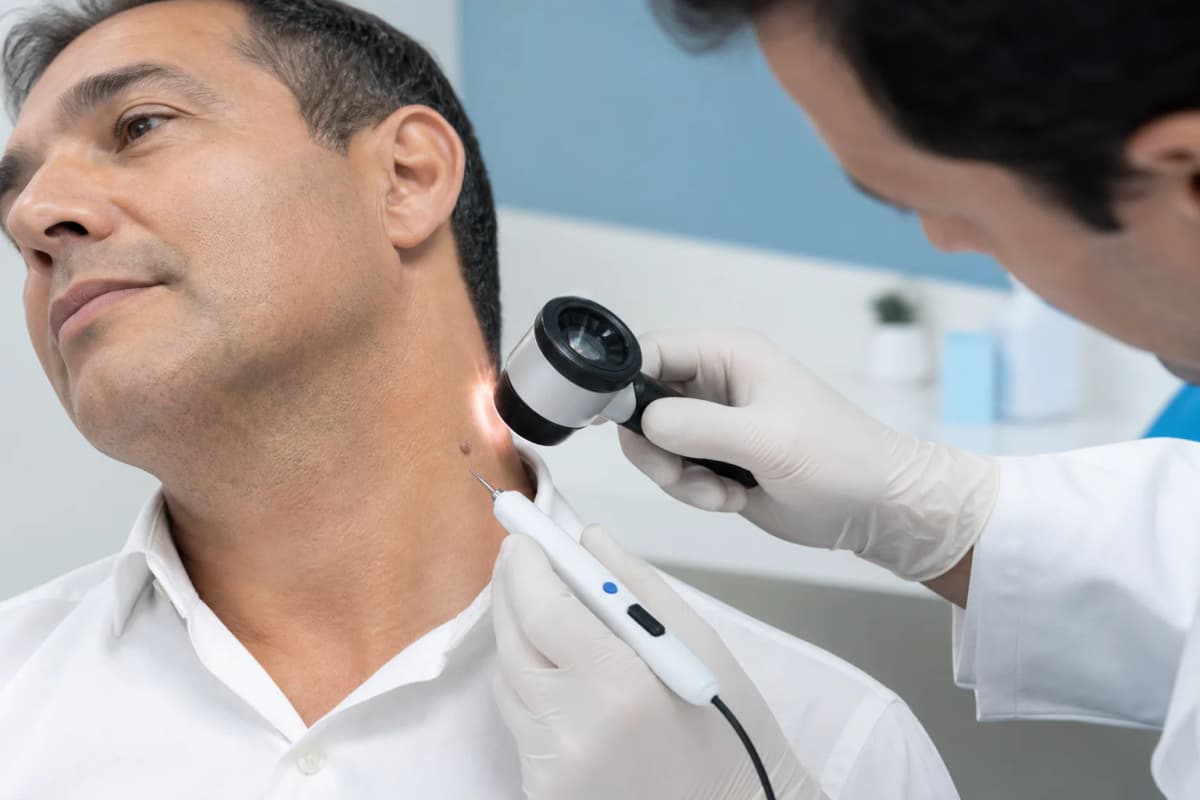
What is skin lesion removal (warts, moles and skin tags)?
Skin lesion removal covers a range of procedures used to remove common benign skin growths (warts, moles (naevi) and skin tags) usually as a short in-clinic treatment. Depending on the lesion, a clinician may use cryotherapy (freezing), electrocautery or radiofrequency (heat), laser, or surgical excision, often with a local anaesthetic. Moles are treated with particular care: a changing or unusual mole should be examined first, and removed tissue may be sent for histology to confirm what it is. Warts are caused by a virus and can return or need more than one session. This page compares what removal costs and explains what a quote should include; it is not a diagnosis, and a licensed professional should assess any lesion before treatment.
What skin lesion removal costs in Ajman
Medifinder does not yet have enough comparable skin lesion removal prices to calculate a reliable UAE market range. Available clinic prices are shown individually with their pricing units and last-confirmed dates.
Removal is quoted per lesion or per session, and sometimes as a package where more than one visit is likely. Because these cover different things, a single-lesion price and a per-session price are not directly comparable. The method used and whether tissue is sent for histology also affect the figure. Prices are indicative and clinic-published; confirm how many lesions a quote covers, which method is used, and whether an assessment and any laboratory fee are included before comparing.
Skin lesion removal prices by method and lesion
Different methods and lesion types are priced differently. Cryotherapy and cautery are often quick, per-lesion treatments, while surgical excision of a mole (especially one sent for histology) is usually priced as a small procedure. A wart may need repeat sessions, so it is sometimes quoted as a course. Live prices are shown where a pricing unit is known; otherwise a method is listed for context without a figure. A per-session price should not be read as the price of removing every lesion you have.
- Mole removal: A mole should be assessed before removal, and tissue may be sent for histology.
- Wart removal: Viral warts can recur and sometimes need more than one session.
- Skin tag removal
- Cryotherapy (freezing) removal
- Laser mole and skin tag removal
- Radiofrequency / cautery removal
- Facial mole or skin tag removal
Per-lesion pricing versus per-session pricing
Skin lesion removal is quoted in two main ways, and they are not directly comparable. A per-lesion price is for each individual growth removed, so a person with several skin tags or warts pays more than someone with one. A per-session price is for a single clinic visit, which may cover one lesion or an agreed number; always confirm exactly how many. Some lesions, warts in particular, may need more than one visit, which is why a package or course is sometimes quoted. On top of this, the removal method (cryotherapy, cautery, laser or surgical excision) and whether any tissue is sent for histology can change the price. When comparing clinics, check whether a figure is per lesion or per session, how many lesions it covers, which method is used, and whether an assessment and any laboratory fee are included. Results, healing and the chance a lesion returns vary between people and between lesion types.
| Quote type | What it means | What to confirm |
|---|---|---|
| Per lesion | A price for each individual growth removed. | How many lesions you have and the total for all of them. |
| Per session | One clinic visit, which may cover one lesion or a set number. | Exactly how many lesions the session includes. |
| Package / course | More than one visit for lesions that may need repeat treatment. | How many visits are included and what happens if more are needed. |
What does a skin lesion removal price include?
To compare like for like rather than by headline number alone, confirm what a quote covers before booking. The items below are the ones that most often differ between clinics, and a histology fee in particular can be charged separately.
- A consultation and assessment of the lesion before removal
- Whether the price is per lesion or per session
- How many lesions the quote covers
- The removal method and any local anaesthetic
- Whether tissue is sent for histology, and if that is charged separately
- A follow-up visit, dressings and aftercare where needed
- Whether VAT and any other charges are included
- Whether the figure is a starting price and applies to one branch
Removal methods and the devices used
Clinics remove lesions with different tools: a cryotherapy device such as a CryoPen, a radiofrequency electrosurgery unit such as an Ellman Surgitron, a plasma pen, a CO2 or erbium laser, or a scalpel for surgical excision. The right method depends on the type, size and location of the lesion rather than on the brand name of the device. This page does not present any device as universally superior; a clinician should explain why a particular method suits your lesion and what it means for healing and scarring.
What affects the final price
The number of lesions is usually the biggest driver, because many clinics charge per lesion. The type of lesion, its size and location, and the method used (freezing, cautery, laser or surgical excision) all matter, as does whether a local anaesthetic and stitches are needed. If a mole is sent for histology, the laboratory fee may be added. A wart that needs repeat sessions costs more than a one-visit removal. The clinic’s location and whether the figure is a starting price also affect the total, so always ask for the full quote after an assessment.
Skin lesion removal at a glance
The facts below are typical and general. Individual assessment by a licensed professional decides what applies to you and to each lesion.
| Clinical name | Removal of benign skin lesions (warts, moles/naevi, skin tags) |
|---|---|
| Common methods | Cryotherapy, cautery/radiofrequency, laser, surgical excision |
| Procedure time | Often a few minutes per lesion |
| Anaesthetic | Usually local, depending on method and lesion |
| Mole safety | Assess first; tissue may be sent for histology |
| Healing | Scab/redness settling over ~1–3 weeks (varies) |
| Recurrence | Warts in particular can return; repeat visits possible |
| Practitioner | Licensed doctor (dermatologist / physician) |
| Insurance | Cosmetic removal usually private; medical removal may differ |
Before, during and after removal
Before removal, a clinician examines the lesion, checks it is safe to treat cosmetically, and explains the method and what healing looks like; a mole that appears unusual may be referred for a dermatology opinion or removed and sent for histology rather than treated cosmetically. During the procedure, which usually takes a few minutes per lesion, the area may be numbed with a local anaesthetic, and the lesion is frozen, heated, lasered or cut away depending on the method. Afterwards, a small scab, redness or a blister is common and settles over days to a couple of weeks. Healing timeline: cryotherapy and cautery sites usually crust and heal over one to three weeks; a surgical excision may need stitches and a follow-up. Some lesions, such as warts, can recur or need a repeat session. Any change in colour of the healing skin, or a lesion that returns, should be reviewed. Scarring, pigment change and recurrence vary between people, lesion types and skin tones.
Safety, histology and suitability
Removing a benign skin lesion is generally a minor procedure, but the most important safety point concerns moles: a mole that is new, changing, irregular, itching or bleeding should be examined by a doctor before any removal, because it may need investigating rather than cosmetic treatment. Where there is any doubt, tissue is removed and sent for histology (laboratory analysis) to confirm what it is; destroying such a lesion by freezing or laser leaves nothing to test. Common effects of removal include temporary redness, a scab, mild soreness and, in some cases, a small scar or a lighter or darker mark where the lesion was; pigment change is more likely on darker skin tones. Warts and some other lesions can recur. A professional assessment before treatment helps identify which lesions are safe to remove cosmetically and which need medical review first.
How to compare skin lesion removal clinics
Look beyond the headline number. Check whether the price is per lesion or per session, how many lesions it covers, which method is used, and whether an assessment, local anaesthetic and any histology fee are included. Ask who will examine and remove the lesion, and whether a doctor reviews a mole before it is treated. The relevant facility and professional regulator depends on the clinic’s location. Where Medifinder shows a facility-licence status, it means the clinic’s licence was checked against the regulator’s available records. It is not an assessment of clinical quality or of who performs the treatment. Confirm the final quote and your suitability directly with the clinic before booking.
Compare skin lesion removal prices by emirate
Skin lesion removal is offered across the UAE. Choose an emirate to see local clinics, local prices and neighbourhood filters. Availability and prices vary between clinics rather than by a single rule per emirate.
People looking at lesion removal sometimes also consider laser skin resurfacing, which resurfaces the skin surface for texture and pigmentation rather than removing a specific growth. The links below lead to related comparisons where Medifinder has enough information for a useful page. For a mole that looks unusual, a medical dermatology assessment (not a cosmetic listing) is the right first step.